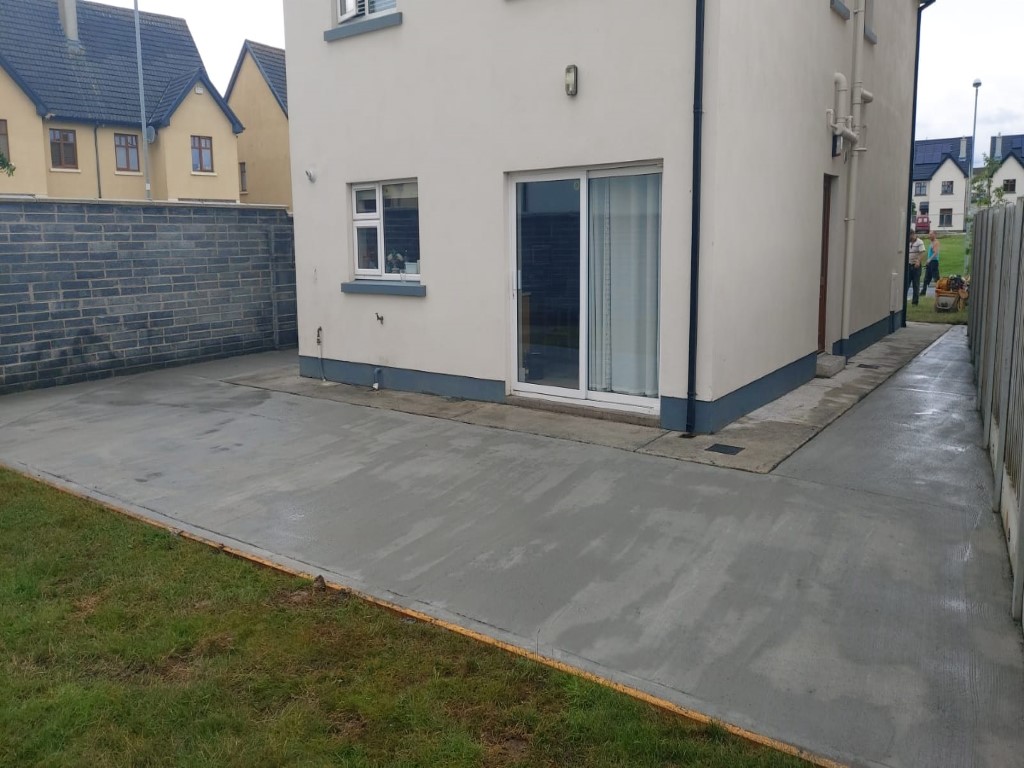

Leicester’s winter conditions pose specific challenges for concrete driveways. Understanding proper winter care helps prevent costly damage and extends your driveway’s lifespan significantly.
Pre-Winter Preparation Steps
Clean your concrete driveway thoroughly before winter arrives. Remove all debris, oil stains, and organic matter that could trap moisture against the surface.
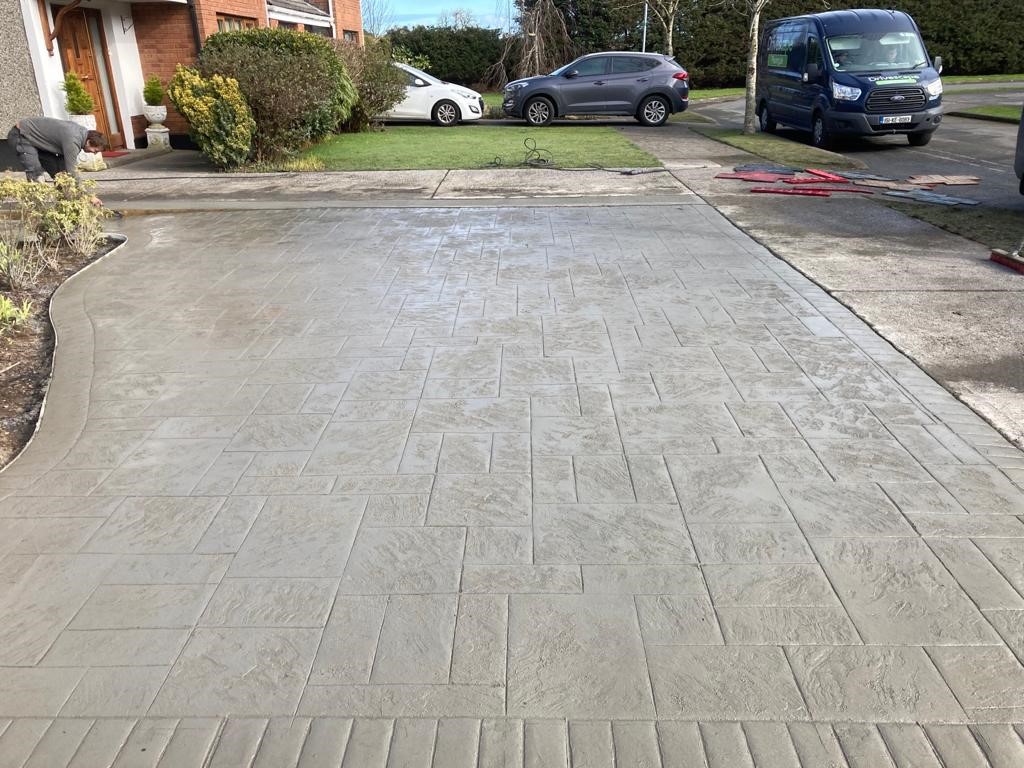
Apply a quality concrete sealer if your driveway hasn’t been sealed recently. This creates a protective barrier against water penetration and freeze-thaw damage.
- Clear all guttering to prevent overflow onto the concrete
- Repair any existing cracks before freezing weather
- Check drainage channels are clear and functioning
- Remove any moss or algae growth
- For complex issues, specialist contractors can assess the situation
De-icing Salt and Chemical Damage
Road salt can severely damage concrete surfaces through chemical attack. The salt draws moisture into the concrete, which then freezes and expands, causing surface scaling.
Avoid using rock salt or calcium chloride directly on your concrete driveway. These chemicals accelerate the freeze-thaw cycle and cause surface deterioration.
If you must use de-icing products, choose magnesium chloride or calcium magnesium acetate. These are less aggressive towards concrete surfaces.
Snow Removal Best Practices
Remove snow promptly to prevent repeated freeze-thaw cycles. Use plastic shovels rather than metal ones to avoid scratching the surface.
Never use sharp tools or ice picks on concrete. These can chip or crack the surface, creating entry points for water.
- Shovel snow before it compacts into ice
- Use sand for traction instead of salt
- Avoid heavy machinery on residential concrete
- Clear drainage areas to prevent ice dams
Spring Damage Assessment
Inspect your concrete driveway carefully once winter ends. Look for new cracks, surface scaling, or areas where the concrete surface appears powdery.
Small cracks should be sealed immediately to prevent water penetration during the next winter. Surface scaling may require professional resurfacing if extensive.
Document any damage with photographs for insurance purposes if the deterioration is severe. Early intervention prevents minor issues becoming major repairs. When cleaning damaged areas, be mindful that certain cleaning products can cause additional damage to compromised concrete surfaces.